Friday, April 09, 2010

Ibn Ezra and the transsexual rabbits

In parashat Shemini, the Torah prohibits us from consuming certain animals:


ד  אַךְ אֶת-זֶה, לֹא תֹאכְלוּ, מִמַּעֲלֵי הַגֵּרָה, וּמִמַּפְרִסֵי הַפַּרְסָה:  אֶת-הַגָּמָל כִּי-מַעֲלֵה גֵרָה הוּא, וּפַרְסָה אֵינֶנּוּ מַפְרִיס--טָמֵא הוּא, לָכֶם.4 Nevertheless these shall ye not eat of them that only chew the cud, or of them that only part the hoof: the camel, because he cheweth the cud but parteth not the hoof, he is unclean unto you.
ה  וְאֶת-הַשָּׁפָן, כִּי-מַעֲלֵה גֵרָה הוּא, וּפַרְסָה, לֹא יַפְרִיס; טָמֵא הוּא, לָכֶם.5 And the rock-badger, because he cheweth the cud but parteth not the hoof, he is unclean unto you.
ו  וְאֶת-הָאַרְנֶבֶת, כִּי-מַעֲלַת גֵּרָה הִוא, וּפַרְסָה, לֹא הִפְרִיסָה; טְמֵאָה הִוא, לָכֶם.6 And the hare, because she cheweth the cud but parteth not the hoof, she is unclean unto you.
ז  וְאֶת-הַחֲזִיר כִּי-מַפְרִיס פַּרְסָה הוּא, וְשֹׁסַע שֶׁסַע פַּרְסָה, וְהוּא, גֵּרָה לֹא-יִגָּר; טָמֵא הוּא, לָכֶם.7 And the swine, because he parteth the hoof, and is cloven-footed, but cheweth not the cud, he is unclean unto you.


Most of these are described using the masculine gender. The exception to this rule is the arneves, commonly translated as the hare. Ibn Ezra discusses the reason for the rule, and its exception:
והזכיר: הגמל והשפן והארנבת והחזיר -
בעבור שיש לכל אחד הסימן האחד ודרך לשון הקדש להזכיר הזכר מכל מין כי הנקבה בכלל הזכר היא.

והזכיר ארנבת -
יש אומרים:
לפי שלא ימצא הזכר מהם.

ויש אומרים:
שהזכר ישוב נקבה והפך הדבר והראשון קרוב אלי.

That is, in terms of why the masculine is used in general for these species, this is not the masculine but the neutral gender, which encompasses both sexes. The word arneves seems clearly feminine, though, with the -es ending. Ibn Ezra presents two answers. The first answer, that some give, is that the male of the species does not frequent human areas, such that people typically find the female. Therefore, dibra Torah behoveh. (Or else he means that therefore the gender-neutral name of the species became the feminine name; but I think he meant dibra Torah behoveh.) The second answer, that some give, is that the rabbit switches genders -- the male turns into the female, and the opposite as well. And the first answer seems more likely to him. I am not sure whether it recommends itself to him more as grammatical point, or whether he disbeleives one or the other scientific, zoological claim (presence of males, or whether it switches genders).

I don't know who, before Ibn Ezra, suggests either of these two suggestions. I haven't found anything suggesting that the gender proportions of rabbits weigh more heavily towards females, so I will leave it at that, and explore the second suggestion, that the rabbits switch genders.

Such is not entirely crazy. We do see certain animals capable of switching genders. To cite one article:
Shrimp do it, orchids do it, even some tropical fish do it. Now biologists find that frogs do it, too--switch their sex, that is. A West German research team reports that females of two related frog species can become males without hormonal or surgical intervention. So complete is the transformation -- observed so far only in the laboratory -- that the newly male frogs breed successfully with members of their former sex.
Of course, that does not mean that it happens in mammals, such as the rabbit. This seems rather unlikely, from what I think we know about the world. But then, I am no expert on zoology. Perhaps some further discovery will show mammals which can perform this trick. But that does not mean that rabbits are capable of this. At some point, there are visible, signs, such as descended testicles, etc. See here for a text description of how to tell the difference. It is difficult to imagine that some developed body part would disappear, or switch, from one year to the next.

It appears much more likely that Ibn Ezra was citing a zoological position which is simply incorrect, though which was believed correct at his time. There is no shame in believing the scientific experts of one's era, and attempting to use such scientific knowledge to explain a pasuk, even if eventually it turns out that the scientific belief was incorrect. This is simply good Torah Umaddah which came to a wrong conclusion. (Though in this instance, Ibn Ezra preferred the former explanation, and so did not wholeheartedly endorse the latter.)

From rabbit.org, here is another recording that a rabbit can its gender:
A number of explanations account for this hare/moon symbiosis. One is that the hare is nocturnal and feeds by night; another is that the hare's gestation period is one month long. And, it was believed that a rabbit could change its sex—like the moon.
I am not certain what their source is for this, but it does tell me that there is indeed some source out there. I found a book, Christianity, Social Tolerance, and Homosexuality: Gay People in Western Europe from the Beginning of the Christian Era to the 14th Century, by John Boswell, which happens to mention that ancients believed in quite similar traits for rabbits, and the precise trait for hyenas, and that they connected it with the non-kosher status of these animals. Thus,


and

Thus, we have Ibn Ezra's assertion, directly made about the hyena, with the assumption that Moshe Rabbenu spoke about the hyena. In a footnote (not pictured), the author explains how this came about -- a mistranslation of a word, elsewhere, for pig. But many ancient natural historians believed this. And "Pliny cites Archalaus that rabbits are hermaphroditic and the conceive while pregnant. Aelian relates that the male hare bears young and 'has a share in both sexes.'" And all this is relatively early, but these early accounts were quite often believed into medieval times.

What about the hare's behavior would make people believe this? We can only guess. But here is my guess. From a Yahoo Answers page: What age can you tell a rabbit's gender? The best selected answer, from cwgirlup2000, was:


An experienced breeder or vet can tell you sooner, but around 3-6mo a male rabbits "boy bits" will drop and it is pretty obvious when this happens.

Source(s):

My own boy rabbit
So they might have looked earlier, not been able to determine that it was a male rabbit, but subsequently found that it was male. Thus, a transformation in gender.

At answerbag, someone explicitly asks if rabbits can change gender. Some good answers:
No. Mammals are pretty much whatever sex they are born, human sex-change operations and accidental hermaphrodites notwithstanding.

Be aware that female rabbits can also display aggressive "mounting" behavior. However, they are still female and will not be able to make another female pregnant.
If so, perhaps ancient zoologists saw this mounting behavior and erroneously believed that the female rabbit became male; or that it was a hermaphrodite. Another good answer:
No. If you suspect it it means someone didn't know how to sex the rabbits correctly in the first place. It isn't so hard to tell if you know what to look for but I've noticed that most people expect that a male rabbit look like a 'male' from early on. They don't have a penis that sticks out nor do they have testicles showing until they are several months old. But you can still tell the difference from the shape of their opening.
Which is how one could confuse. Also, accidentally placed as an answer, and plausible for our question, males as well exhibit homosexual behavior. See there. If so, they might have believed that the male had become female. And before we saw how they might have believed that a female had become male.

Mechokekei Yehuda, a supercommentator of Ibn Ezra, tells us more,
Thus, he cites רב"ח (=Rabbenu Bachya) that hares are hermaphroditic, and have both male and female genitals. And cites R' Eliyahu Bachur, in Tishbi, shoresh gilgul, that they are רובע ונרבע. Bachur's statement on gilgul is interesting in its own right, in how he distinguishes Chazal's gilgul from kabbalah's gilgul, the former merely being rolling underground to reach Eretz Yistael at the time of techiyas hameisim:


He mentions a kabbalistic belief that male homosexuals come back as rabbits, because of their רובע ונרבע aspect. Fascinating.

Update: Rabbi Slifkin mentions some of the above in his book, The Camel, The Hare, and The Hyrex. (That is, some of the Jewish and Greek sources; not the early Christian material or my particular explanation of how this misconception could arise.) Looking at some of the footnotes from his book, here is another interesting source. From Midrash Talpiyos (last mentioned in the context of number of teeth):


That is, arneves turns from male to female. And this is known to us in truth. (And this is the reason that a male homosexual comes back as a gilgul as a rabbit, as the Arizal writes.)

And we have the following in Pseudodoxia, from Sir Thomas Browne:

And here is Rabbenu Bachya:

Thursday, April 08, 2010

posts so far for parshat Shemini

2010
  1. Shemini sources -- a source roundup. Same idea as last year, but revamped, with over 100 meforshim on the parasha and the haftara, grouped into, e.g. Rashi's supercommentator's, Ibn Ezra's, masoretes, and so on.

2009
  • Shemini sources: links by aliyah and perek to an online mikraos gedolos, as well as many, many meforshim on the parsha and haftara.
2008
  1. Why the Ketores? And what foreign fire?
    The standard morning ketores offering, according to Rashbam. But then Shadal reverses himself and says it was their own separate offering; and that it was not their own fire, but a fire from heaven.
  2. "This is that which the LORD has spoken" But where?
2005
  • Rendering Halachic Decisions Before One's Teacher
    • Another take on Nadav and Avihu's sin, from the gemara. This is a truly sublime midrash, once its nuances are pointed out. The specifics of the law they are rendering (that one should bring from a hedyot fire even though the Divine fire is present) parallels their error, rendering a halacha even though Moshe Rabbenu was present. This homily, I think, is part of the main meaning of the midrash. Also, an analysis of some of the midrash's contributing factors.
2004
  • In Defense of Nadav and Avihu (AKA Conspiracy Theory)
    • I suggest it was a work accident. They brought a "strange fire," but this might just be meant to distinguish it from the holy fire that consumed them. As we see in context, the fire of Hashem came down and consumed the sacrifices, the people saw and fell on their faces. I try to pull a midrash into this as well.
  • Nadav and Avihu - What Did They Do Wrong?
    • A parallel to Korach and his congregation. Perhaps their sin was acting in an instance where only Aharon was supposed to act. Also, explaining the dispute between Aharon and Moshe.
  • This joke just doesn't work in a leap year, at least in its particular form. Oh well.
  • The Remaining Sons Taking The Remaining Mincha
    • Noteret and Notarim are used to describe both of them. The remaining sons should take the remaining of the offering.
  • Gecko vs. Geico (nice animal pictures too!)
    • The Anaka, one of the non-kosher species
to be continued...

Shemini sources

by aliyah
rishon (9:1)
sheni (9:17)
shelishi (9:24)
revii (10:12)
chamishi (10:16)
shishi (11:1)
shevii (11:33)
maftir (11:25)
haftara (II Shmuel 6:1) -- with ralbag and malbim

by perek
perek 9
perek 10
perek 11

meforshim
Judaica Press Rashi in English
Shadal (and here)
Mishtadel
Daat -- with Rashi, Ramban, Seforno, Ibn Ezra, Rashbam, Rabbenu Bachya, Midrash Rabba, Tanchuma+, Lekach Tov, Yalkut Shimoni, Gilyonot.
Gilyonot Nechama Leibovitz (Hebrew)

Tiferes Yehonasan from Rav Yonasan Eibeshitz
Chasdei Yehonasan
Toldos Yitzchak Acharon, repeated from Rav Yonasan Eibeshit
Even Shleimah -- from Rabbi Shlomo Zalman Ehrenreich
R' Saadia Gaon's Tafsir, Arabic translation of Torah (here and here)
Collected commentary of Saadia Gaon on Torah
Rashbam (and here)
Abarbanel
Torah Temimah
Kli Yakar
Zohar, with English translation
Baal Haturim
Baal Haturim (HaAruch)
Torat Hatur
Ibn Janach
Rabbenu Ephraim
Ibn Caspi -- not until Acharei Mos
Ralbag
Dubno Maggid
Imrei Shafer, Rav Shlomo Kluger
Ateret Zekeinim
Mei Noach
Arugat HaBosem
Yalkut Perushim LaTorah
R' Yosef Bechor Shor
Meiri
Ibn Gabirol -- not until Kedoshim
Rabbenu Yonah -- not until Acharei Mos

The following meforshim at JNUL. I've discovered that if you click on the icon to rotate sideways, change to only black and white, select only the portion which is text, it is eminently readable on paper.
Ralbag (pg 215)
Chizkuni (91)
Abarbanel (241)
Shach (158)
Yalkut Reuveni (pg 116)

rashi
Daat, Rashi In Hebrew (perek 9)
Judaica Press Rashi in English and Hebrew
Mizrachi, Mizrachi (on Rashi, 176)
Gur Aryeh (Maharal of Prague)
Maharsha
Siftei Chachamim
Berliner's Beur on Rashi
Commentary on Rashi by Yosef of Krasnitz
R' Yisrael Isserlin (on Rashi, 11)
Two supercommentaries on Rashi, by Chasdai Almosnino and Yaakov Kneizel
Rav Natan ben Shishon Shapira Ashkenazi (16th century), (JNUL, pg 99)
Taz
Levush HaOrah
Mohar`al
Yeriot Shlomo (Maharshal)
Moda L'Bina (Wolf Heidenheim)
Dikdukei Rashi
Mekorei Rashi (in Mechokekei Yehuda)
Bartenura
Yosef Daas
Nachalas Yaakov
Also see Mikraos Gedolos above, which has Rashi with Sifsei Chachamim

ramban
Daat, Ramban in Hebrew (perek 9)
R' Yitzchak Abohav's on Ramban (standalone and in a Tanach opposite Ramban)
Kesef Mezukak
Kanfei Nesharim
Rabbi Meir Abusaula (student of Rashba)

ibn ezra
Daat, Ibn Ezra in Hebrew (perek 9)
Mechokekei Yehudah (Daat)
Mechokekei Yehudah (HebrewBooks)
Mavaser Ezra
R' Shmuel Motot (on Ibn Ezra, pg 36)
Ibn Kaspi's supercommentary on Ibn Ezra, different from his commentary (here and here) -- not until Acharei Mos
Mekor Chaim, Ohel Yosef, Motot
Avi Ezer
Tzofnas Paneach
Ezra Lehavin
Also see Mikraos Gedolos above, which has Ibn Ezra with Avi Ezer

targum
Targum Onkelos opposite Torah text
Targum Onkelos and Targum Pseudo-Yonatan in English
Shadal's Ohev Ger
Berliner
Chalifot Semalot
Avnei Tzion -- two commentaries on Onkelos
Bei`urei Onkelos
Or Hatargum on Onkelos
Targum Yonatan
Commentary on Targum Yonatan and Targum Yerushalmi
Septuagint
Origen's Hexapla (JNUL)

masorah
Tanach with masoretic notes on the side
Commentary on the Masorah
Minchas Shai
Or Torah
Taamei Masoret -- not until Tazria
Masoret HaKeriah
Shiluv Hamasorot
Masoret HaBrit HaGadol
Rama (but based on alphabet, not parsha)
Vetus Testamentum

midrash
Midrash Rabba at Daat (9)
Midrash Tanchuma at Daat (9)
Vayikra Rabba, with commentaries
Midrash Tanchuma with commentary of Etz Yosef and Anaf Yosef
Commentary on Midrash Rabba by R' Naftali Hirtz b'R' Menachem
Matat-Kah on Midrash Rabba
Nefesh Yehonasan by Rav Yonasan Eibeshutz


haftarah (II Shmuel 6:1)
In a separate Mikraos Gedolos, with Rashi, Targum, Mahari Kara, Ralbag, Metzudat David.
Haftarah in Gutnick edition
Rashis in English
Daat, with a link to Gilyonot
Aharon ben Yosef the Karaite

Wednesday, April 07, 2010

The politically incorrect New York Times

I can understand why the New York Times is upset about the breaching of network security in India by a group of Chinese hackers, because of how it could negatively impact our own troops. Even so, this was rather uncalled for:

The intruders even stole documents related to the travel of NATO forces in Afghanistan, illustrating that even though the Indian government was the primary target of the attacks, one chink in computer security can leave many nations exposed.
“It’s not only that you’re only secure as the weakest link in your network,” said Rafal Rohozinski, a member of the Toronto team. “But in an interconnected world, you’re only as secure as the weakest link in the global chain of information.”

Some thoughts on the Rasha

Having concluded with the Chacham, we turn to the Rasha.

The citation is from Shemot 12, regarding the korban Pesach once they enter the land of Israel:

כה  וְהָיָה כִּי-תָבֹאוּ אֶל-הָאָרֶץ, אֲשֶׁר יִתֵּן יְהוָה לָכֶם--כַּאֲשֶׁר דִּבֵּר; וּשְׁמַרְתֶּם, אֶת-הָעֲבֹדָה הַזֹּאת.25 And it shall come to pass, when ye be come to the land which the LORD will give you, according as He hath promised, that ye shall keep this service.
כו  וְהָיָה, כִּי-יֹאמְרוּ אֲלֵיכֶם בְּנֵיכֶם:  מָה הָעֲבֹדָה הַזֹּאת, לָכֶם.26 And it shall come to pass, when your children shall say unto you: What mean ye by this service?
כז  וַאֲמַרְתֶּם זֶבַח-פֶּסַח הוּא לַיהוָה, אֲשֶׁר פָּסַח עַל-בָּתֵּי בְנֵי-יִשְׂרָאֵל בְּמִצְרַיִם, בְּנָגְפּוֹ אֶת-מִצְרַיִם, וְאֶת-בָּתֵּינוּ הִצִּיל; וַיִּקֹּד הָעָם, וַיִּשְׁתַּחֲווּ.27 that ye shall say: It is the sacrifice of the LORD'S passover, for that He passed over the houses of the children of Israel in Egypt, when He smote the Egyptians, and delivered our houses.' And the people bowed the head and worshipped.
כח  וַיֵּלְכוּ וַיַּעֲשׂוּ, בְּנֵי יִשְׂרָאֵל:  כַּאֲשֶׁר צִוָּה יְהוָה אֶת-מֹשֶׁה וְאַהֲרֹן, כֵּן עָשׂוּ.  {ס}28 And the children of Israel went and did so; as the LORD had commanded Moses and Aaron, so did they. {S}
The people's reaction of bowing their head and worshiping demonstrates that, on a peshat level, they did not view this question as rejection on the part of their descendants. And it is a question as to the import. And the response in the pasuk is not the one given to the Rasha, namely baavur zeh. Rather, one gives a real answer, that it is a zevach Pesach to Hashem, because He passed over, etc.

The answer to the Rasha is taken from the next perek, perek 13, where the focus is more on the Matzah than on the Zevach Pesach:


ו  שִׁבְעַת יָמִים, תֹּאכַל מַצֹּת; וּבַיּוֹם, הַשְּׁבִיעִי, חַג, לַיהוָה.6 Seven days thou shalt eat unleavened bread, and in the seventh day shall be a feast to the LORD.
ז  מַצּוֹת, יֵאָכֵל, אֵת, שִׁבְעַת הַיָּמִים; וְלֹא-יֵרָאֶה לְךָ חָמֵץ, וְלֹא-יֵרָאֶה לְךָ שְׂאֹר--בְּכָל-גְּבֻלֶךָ.7 Unleavened bread shall be eaten throughout the seven days; and there shall no leavened bread be seen with thee, neither shall there be leaven seen with thee, in all thy borders.
ח  וְהִגַּדְתָּ לְבִנְךָ, בַּיּוֹם הַהוּא לֵאמֹר:  בַּעֲבוּר זֶה, עָשָׂה יְהוָה לִי, בְּצֵאתִי, מִמִּצְרָיִם.8 And thou shalt tell thy son in that day, saying: It is because of that which the LORD did for me when I came forth out of Egypt.
ט  וְהָיָה לְךָ לְאוֹת עַל-יָדְךָ, וּלְזִכָּרוֹן בֵּין עֵינֶיךָ, לְמַעַן תִּהְיֶה תּוֹרַת יְהוָה, בְּפִיךָ:  כִּי בְּיָד חֲזָקָה, הוֹצִאֲךָ יְהוָה מִמִּצְרָיִם.9 And it shall be for a sign unto thee upon thy hand, and for a memorial between thine eyes, that the law of the LORD may be in thy mouth; for with a strong hand hath the LORD brought thee out of Egypt.
י  וְשָׁמַרְתָּ אֶת-הַחֻקָּה הַזֹּאת, לְמוֹעֲדָהּ, מִיָּמִים, יָמִימָה.  {פ}10 Thou shalt therefore keep this ordinance in its season from year to year. {P}

This is not problematic, because we are dealing here with derash, rather than peshat. And as discussed in the context of the Chacham, the same goes for how the answer to the Rasha can be the same as to the שאינו יודע לשאול, and how לכם can be darshened while אתכם remains undarshened. This is a matter of emphasis, and of selective highlighting and hyper-literal interpretation of phrases a bit out of context.

What is the derasha being made here upon מָה הָעֲבֹדָה הַזֹּאת לָכֶם? The Haggadah makes it explicit, that it is on the word lachem. This is an avodah to you, but not to me. Thus, he takes himself out of the community. I've heard a nice dvar Torah that taking himself out of the community itself is כפר בעיקר. But peshat is that by taking himself out of the group, he does not consider this as an avodah for him. Why not? Because he does not believe in Hashem. He is thus a min, and the response to him is a polemic response.

The Yerushalmi has a variant version of the diyuk -- indeed, a variant of the questions and responses of all four sons, which is worthwhile to focus on. The Yerushalmi, Pesachim 70b, states:

תני ר' חייה כנגד ארבעה בנים דיברה תורה בן חכם בן רשע בן טיפש בן שאינו יודע לשאול.  בן חכם מהו אומר (דברים ו) מה העדות והחקים והמשפטים אשר צוה ה' אלהינו אותנו אף אתה אמור לו (שמות יג) בחזק יד הוציאנו ה' ממצרים מבית עבדים.  בן רשע מהו אומר (שמות יב) מה העבודה הזאת לכם מה הטורח הזה שאתם מטריחין עלינו בכל שנה ושנה מכיון שהוציא את עצמו מן הכלל אף אתה אמור לו (שמות יב) בעבור זה עשה ה' לי לי עשה לאותו האיש לא עשה.  אילו היה אותו האיש במצרים לא היה ראוי להגאל משם לעולם.  טיפש מה אומר (שמות יב) מה זאת אף את למדו הלכות הפסח שאין מפטירין אחר הפסח אפיקומן שלא יהא עומד מחבורה זו ונכנס לחבורה אחרת.  בן שאינו יודע לשאול את פתח לו תחילה א"ר יוסה מתניתא אמרה כן אם אין דעת בבן אביו מלמדו:

Thus, the diyuk is on the avodah, interpreted as torach, a burden. It seems like the particular derashot are alternatives (and this may well indeed be the intent), but they can readily supplement one another. The torach aspect informs us how we should interpret lachem.

The father's response is a diyuk similar to the first one of לכם. That is, the pasuk has a response of בַּעֲבוּר זֶה, עָשָׂה ה לִי, בְּצֵאתִי, מִמִּצְרָיִם. The focus is on the word li, meaning me but not you. The phraseology of אף אתה does not need to indicate that it is a response in kind, to the extent that it uses the same methodology. It might indicate that it is an appropriate response to the particular question. See how אף אתה is used consistently.

Hakheh et Shinav, to blunt his teeth, is certainly not meant literally. (See my discussion of this phrase, starting here.) Rather, this is a forceful answer, and perhaps a forceful answer along the same lines as the Rasha's attack. The Rasha gets the polemical answer.

While we, living in the 21st century, may not like the approach to the wicked son, that does not mean that it is not the approach given in the midrash. I do not like the approach of Rav Amnon Bazak that the son is a min in the sense of a believer in Jesus. This would be based on the Yerushalmi's use of oto haIsh. I think I provide a good debunking of this theory here. Basically, I am not convinced that oto haIsh refers in Talmudic times to Jesus; further, in many cases it clearly does not refer to Jesus, but rather to some person who is not named, and about whom negative things are said. It seems a Talmudic style, similar to soneihem shel yisrael, to redirect the negative remark. Here, there is an unnamed wicked son about whom it is being said that he would never be redeemed. The euphemism is thus entirely appropriate and expected here.

Friday, April 02, 2010

Some thoughts on the Chacham

The first of the four sons is the Chacham, the Wise Son. The question and response are:

This is based on the exchange in Devarim 6:

יז  שָׁמוֹר תִּשְׁמְרוּן, אֶת-מִצְו‍ֹת יְהוָה אֱלֹהֵיכֶם, וְעֵדֹתָיו וְחֻקָּיו, אֲשֶׁר צִוָּךְ.17 Ye shall diligently keep the commandments of the LORD your God, and His testimonies, and His statutes, which He hath commanded thee.
יח  וְעָשִׂיתָ הַיָּשָׁר וְהַטּוֹב, בְּעֵינֵי יְהוָה--לְמַעַן, יִיטַב לָךְ, וּבָאתָ וְיָרַשְׁתָּ אֶת-הָאָרֶץ הַטֹּבָה, אֲשֶׁר-נִשְׁבַּע יְהוָה לַאֲבֹתֶיךָ.18 And thou shalt do that which is right and good in the sight of the LORD; that it may be well with thee, and that thou mayest go in and possess the good land which the LORD swore unto thy fathers,
יט  לַהֲדֹף אֶת-כָּל-אֹיְבֶיךָ, מִפָּנֶיךָ, כַּאֲשֶׁר, דִּבֶּר יְהוָה.  {ס}19 to thrust out all thine enemies from before thee, as the LORD hath spoken. {S}
כ  כִּי-יִשְׁאָלְךָ בִנְךָ מָחָר, לֵאמֹר:  מָה הָעֵדֹת, וְהַחֻקִּים וְהַמִּשְׁפָּטִים, אֲשֶׁר צִוָּה יְהוָה אֱלֹהֵינוּ, אֶתְכֶם.20 When thy son asketh thee in time to come, saying: 'What mean the testimonies, and the statutes, and the ordinances, which the LORD our God hath commanded you?
כא  וְאָמַרְתָּ לְבִנְךָ, עֲבָדִים הָיִינוּ לְפַרְעֹה בְּמִצְרָיִם; וַיֹּצִיאֵנוּ יְהוָה מִמִּצְרַיִם, בְּיָד חֲזָקָה.21 then thou shalt say unto thy son: 'We were Pharaoh's bondmen in Egypt; and the LORD brought us out of Egypt with a mighty hand.
כב  וַיִּתֵּן יְהוָה אוֹתֹת וּמֹפְתִים גְּדֹלִים וְרָעִים בְּמִצְרַיִם, בְּפַרְעֹה וּבְכָל-בֵּיתוֹ--לְעֵינֵינוּ.22 And the LORD showed signs and wonders, great and sore, upon Egypt, upon Pharaoh, and upon all his house, before our eyes.
כג  וְאוֹתָנוּ, הוֹצִיא מִשָּׁם--לְמַעַן, הָבִיא אֹתָנוּ, לָתֶת לָנוּ אֶת-הָאָרֶץ, אֲשֶׁר נִשְׁבַּע לַאֲבֹתֵינוּ.23 And He brought us out from thence, that He might bring us in, to give us the land which He swore unto our fathers.
כד  וַיְצַוֵּנוּ יְהוָה, לַעֲשׂוֹת אֶת-כָּל-הַחֻקִּים הָאֵלֶּה, לְיִרְאָה, אֶת-יְהוָה אֱלֹהֵינוּ--לְטוֹב לָנוּ כָּל-הַיָּמִים, לְחַיֹּתֵנוּ כְּהַיּוֹם הַזֶּה.24 And the LORD commanded us to do all these statutes, to fear the LORD our God, for our good always, that He might preserve us alive, as it is at this day.
כה  וּצְדָקָה, תִּהְיֶה-לָּנוּ:  כִּי-נִשְׁמֹר לַעֲשׂוֹת אֶת-כָּל-הַמִּצְוָה הַזֹּאת, לִפְנֵי יְהוָה אֱלֹהֵינוּ--כַּאֲשֶׁר צִוָּנוּ.  {ס}25 And it shall be righteousness unto us, if we observe to do all this commandment before the LORD our God, as He hath commanded us.' {S}


The pashut peshat of this is that this is not asked specifically regarding the korban Pesach, while the Pesach, matzah umamor are munachim lefanav. Rather, the father is keeping all the mitzvot, edot and chukim. The son asks what they are, not wishing to know the details, but rather to know the import. And the father's response, in context, is precisely to explain the import -- that it is righteousness unto us, and so that Hashem may preserve us alive.

But this is a derasha, and so the pasuk is taken from its simple context and used to speak about another son, at another time. He is transported in time and space to the night of the korban Pesach. And he is not asking about the import, but rather wishes to know about the details of the mitzvot. And the father's response is indeed to inform him of all the details pertaining to Pesach, (including) that one should not eat a dessert after the korban Pesach.

What happened to sippur yetzias Mitzrayim?! These are laws, not story!

One answer is, perhaps, that the response would not only include the halachot, but also some minimal element of retelling the story of the Exodus. After all, in the pesukim above, in context in Devarim, the father responds by telling him Avadim Hayinu, which is Shmuel's beginning, and which in fact starts off all of maggid. But I do not get the sense that this is truly so. For this is a derasha, which is hyperliteral, and takes the words not only out of context but out of meaning. And this son is not asking for import, but details, and the response is the details. The son who asks about the import is more correctly the Tam.


The answer might be somewhat elitist. I cannot help but think of Rav Sheshet, who would turn his back to the leining of Kriat HaTorah. From Berachot 8a:
R. Shesheth used to turn his face to another side and study. He said: We [are busy] with ours, and they [are busy] with theirs.
Perhaps only the Tam, whom the Yerushalmi labels the Tipesh, should get the Sippur Yetziat Mitzrayim. But people who are Chachamim, Nevonim, Yodeim et HaTorah should not bother with this, but should instead focus on the Hilchot HaPesach!

To counter this, we have the incident with Rabbi Eliezer, Rabbi Yehoshua, Rabbi Eleazar ben Azariah, Rabbi Akiva and Rabbi Tarfon who were feasting in Bnei Brak. They fulfilled the instruction immediately preceding that even for such people, it is a mitzvah lesapper biytzias mitzrayim, and that whoever increases in this, it is meritorious. And these great Rabbis engaged in sippur yetzias mitzrayim all that night, until the students came and told them that the time for Shema of Shacharit had arrived. Clearly, they held that one should indeed engage in sippur yetzias Mitzrayim.

However, I think I can raise a counterexample. While those chachamim, navonim, etc. were feasting in Bnei Brak, something else was happening in Lod. Citing the last Tosefta in Pesachim:

חייב אדם [לעסוק בהלכות הפסח] כל הלילה אפילו בינו לבין בנו אפילו בינו לבין עצמו אפילו בינו לבין תלמידו מעשה ברבן גמליאל וזקנים שהיו מסובין בבית ביתוס בן זונין בלוד והיו [עסוקין בהלכות הפסח] כל הלילה עד קרות הגבר הגביהו מלפניהם ונועדו והלכו [להן] לבית המדרש

The obligation described here is not sippur yetzias Mitzrayim, but rather to engage in the hilchot haPesach. This might be like Rav Sheshet, that Talmidei Chachamim engage in their own, and the common folk, Tam, engage in their own. And this might be the import of this maamar of the four sons. (Unless somehow the hilchot haPesach are considered sippur.) And whether this is indeed so is a machlokes, and thus it was necessary to state that even kulanu chachamim we have an obligation, and that we should go on at length in this sippur.

I would note that this incident in Lod involved Rabban Gamliel and the Zekeinim. But we know that the same Rabban Gamliel did not eliminate the obligation of sippur entirely. As we cite him at the end of maggid, whoever does not say and explain the import of these three things -- Pesach, Matzah, and Maror has not fulfilled his obligation of sippur. These points would likely have been covered in the course of the seder. Though not necessarily the association of the physical symbols to the messages. But perhaps he has this short list not as a checklist, but because otherwise someone might not cover these points. After all, one might be engaged in discussion of the mitzvos of the night rather than on the story.

Looking now at the Mechilta, it is actually explicit. We have Rabbi Eliezer (one of the Bnei Brak participants, though) stating:

דבר אחר:
מה העדות - ר' אליעזר אומר:

מנין אתה אומר שאם היתה חבורה של חכמים או של תלמידים שצריכים לעסוק בהלכות פסח עד חצות?
לכך נאמר: מה העדות וגו': 


Specifically if they are a chabura of Chachamim or Talmidei Chachamim, this is what they should focus upon. Although this is ad chatzos. (Presumably, since they also have an obligation to eat matzah and drink the four cups, this "maggid" was happening simultaneous to all the other mitzvos halayla.) Though this might be after a regular maggid.

____

The pasuk in Devarim is  מָה הָעֵדֹת, וְהַחֻקִּים וְהַמִּשְׁפָּטִים, אֲשֶׁר צִוָּה יְהוָה אֱלֹהֵינוּ, אֶתְכֶם. A "famous" question that people grapple with is just how the Chacham differs from the Rasha. After all, the Rasha says lachem with the connotation of velo lo. But the Chacham says etchem with a plausible connotation of velo lo. How do they differ? How can the Haggadah darshen one without the other.


Some famous, and good answers: The Chacham says Elokeinu. (This is then cast as the important turning towards masorah.) This is actually a great answer, since the idea that the Chacham took himself out of the Klal and was Kafar BeIkkar means that he denies Hashem's divinity. So here, he accepts God as his God, such that the derasha is blocked out.


Another answer is that it is a matter of stress and where the emphasis is placed. And this is another great answer, since this is, after all, a derasha from these pesukim. Within the peshat of these pesukim themselves, these sons are not reshaim nor chachamim specifically. And so, this derasha is a diyuk, not to discover the hidden one true meaning of the pasuk but to bring out a point. We see this as well, in that baavur zeh is also said to the שאינו יודע לשאול. Not because such a son will soon become a rasha, if we are not careful. (That is good derush based on the Haggadic text.) Rather, different aspects of the same response can be darshened in different ways. And just because a derasha put emphasis on a word in one instance does not mean that another derasha, trying to develop a different point, must be consistent and interpret a different word in another pasuk in a similar manner.


Another great answer is from the girsa in the Yerushalmi, where the derasha is not (only) focused on the word lachem, but (also) on the word avodah, which it renders as tircha. Thus, other contextual, textual cues might make up the entirety of the derasha, or at least inform us of the direction the derasha is to take.


Another great answer is that this question never arises because the pasuk by the Chacham does not say אתכם. Rather, it says אותנו. Indeed, let us see the image for this post once again, and pay careful attention to the pasuk as cited:


This is from a Haggadah from Prague in 1590. Are they basing themselves on a variant sefer Torah, or a variant tradition.


As I heard from Rabbi Dr. Shnayer Leiman, The Mechilta appears to have just such a variant version of the pasuk:
מה העדות החוקים והמשפטים - נמצאת אומר: ארבעה בנים הם:
אחד חכם.
ואחד רשע.
ואחד תם.
ואחד שאינו יודע לשאול.
חכם מה הוא אומר?
מה העדות החקים והמשפטים, אשר צוה ה' אלהינו אותנו אף אתה פתח לו בהלכות הפסח אין מפטירין אחר הפסח אפיקומין. 
רשע מה הוא אומר?
מה העבודה הזאת לכם. לכם ולא לו ולפי שהוציא את עצמו מן הכלל וכפר בעיקר, אף אתה אמור לו והקהה את שיניו ואמור לו: בעבור זה עשה ה' לי בצאתי ממצרים לי ולא לך, אלו היית שם לא היית נגאל. 
תם מה הוא אומר?
מה זאת? ואמרת אליו: בחוזק יד הוציאנו ה' ממצרים מבית עבדים.
ושאינו יודע לשאול

את פתח לו, שנאמר: והגדת לבנך ביום ההוא וגו' 


Note the version of the pasuk cited. It has otanu instead of etchem. Perhaps this is itself a mere typographical error. But then I think I recall Dr. Leiman telling us that the Dead Sea Scrolls also have אותנו. More than this, the Septuagint's translation has the equivalent of אותנו:
20 And it shall come to pass when thy son shall ask thee at a future time, saying, What are the testimonies, and the ordinances, and the judgments, which the Lord our God has commanded us?
20 Καὶ ἔσται ὅταν ἐρωτήσῃ σε ὁ υἱός σου αὔριον λέγων· τί ἐστι τὰ μαρτύρια καὶ τὰ δικαιώματα καὶ τὰ κρίματα, ὅσα ἐνετείλατο Κύριος ὁ Θεὸς ἡμῶν ἡμῖν;


That is, "us", not you. This is not to claim that our Masoretic text is necessarily wrong. Rather, the claim is that  for the original Midrashic author, the derasha was on a non-Masoretic text (something we have already seen once or twice elsewhere on parshablog). And so, the question everybody asked would not have even been a question in the first place for the midrashic author.

Of course, I am not convinced that even with our text, the question arises to the level of question. Because we are engaged in derash here, and the midrashic author is entitled to place stress on any portion of any verse  he chooses, to bring out his point, without needing to worry about consistency.

Introducing the Absolut Haggadah, 2010 Edition

Once again, The Absolut Haggadah. (Click on the link, or the image, to download it as a PDF.) They have made a bunch of changes since last year, tightening up the text and expanding on some of the ideas. They still keep it to 93 pages.

Read last year's post where I summarize their general approach. They provide a haggadah with structural and textual analysis, with a generous dose of humor. Structural analysis is what the role of each section is in the greater whole. Textual analysis is what particular phrases and prooftexts mean in the haggadah.

I will give an excerpt from the haggadah, and comment upon it. They actually got an idea from me and credit me with it, so I think I'll discuss that segment.

From page 49 going on to page 50.


There are two footnotes in play. Footnote 83 credits me. Footnote 82 reads:
This second verse is a later addition and does not appear in all contemporary Haggadah texts. It was added apparently because of the Medrash that identifies the blood mentioned in this verse as the blood of Milah and the blood of the Passover sacrifice. As a result of this interpretation, the verse refers directly to the Exodus. In Eziekiel, however, the two verses appear in the opposition and this verse seems to refer to the enslavement stage.
This ends my citation of the Absolut Haggadah. Now, my analysis of just what they did.

(1) In terms of their rather brief analysis of the phrase gadol atzum, that "We grew in number at an astounding pace" -- there are two approaches one could take in analyzing each of the phrases of the viduy in Ki Savo. The approach I would perhaps have preferred here (which they use in other contexts) is that each phrase is a pointer, a quick intra-biblical allusion to some idea or pasuk in the much lengthier exodus story in sefer Shemos. And so the linkage here is between the words atzum and vayaatzmu. But that might be focusing too much on the methodology and too little on the message. What they do here is focus much more on the point of the pasuk, the message that is to come across. And in that pasuk, the idea expressed by the repetition of all those synonyms for growth, together with bim'od meod, is indeed the astonishing growth. And further, perhaps {?} that would then be the meaning of gadol atzum as a phrase, astonishing growth.

(2) In terms of varav, I absolutely agree. In some cases, the prooftext is used to demonstrate that the short phrase in Ki Savo is a pointer to the Biblical story; in others, the prooftext is to give meaning to the cryptic phrase. By citing Yechezkel 16:17:


ז  רְבָבָה, כְּצֶמַח הַשָּׂדֶה נְתַתִּיךְ, וַתִּרְבִּי וַתִּגְדְּלִי, וַתָּבֹאִי בַּעֲדִי עֲדָיִים:  שָׁדַיִם נָכֹנוּ וּשְׂעָרֵךְ צִמֵּחַ, וְאַתְּ עֵרֹם וְעֶרְיָה.7 I cause thee to increase, even as the growth of the field. And thou didst increase and grow up, and thou camest to excellent beauty: thy breasts were fashioned, and thy hair was grown; yet thou wast naked and bare.


it clearly is not trying to give an allusion to the exodus from Egypt, but rather to define the word ורב. It is meant "caused to increase", as in רבבה, what is the point? That is an arcane pasuk to cite, when there are many more famous pesukim to cite, for an exceedingly common word. Rather, it references the other word in the pasuk meaning this, namely ותרבי. And so, in context, it means "mature", and is a reference to how the Israelites developed, and matured into a people, rather than just a family. And this is part of the general theme (of starting with gnai and ending with shevach) which the Haggadah is trying to develop.

That is as much as my contribution (and as is footnoted). But they added two further proofs that I did not know, or think about. One is that the breaking up of the phrase גדול עצום demonstrates that this is a separate point. And the other is from the footnote, that early haggadot did not contain the continuation into the second pasuk, where that second pasuk makes it into a pointer to the exodus story. Overall, very impressive.

Last year, I included a bunch of recommendations and brief reviews of the Absolut Haggadah, 2010 Vintage. I'll include them at the bottom of this post as well. If you've seen other reviews, let me know and I'll post them:
_____________________________________________

They did not do any good marketing, so I will do it for them. Here is what some people are saying about the Absolut Haggadah:

Abacaxi Mamao wrote:

Absolut Haggadah [PDF]. I know nothing about it. Maybe you'll find it interesting. Josh Waxman, about whom I also know nothing, introduced it and gave a short review here. I liked what he said, though, so I downloaded it. I haven't had a chance to look at it in depth yet, though. Who has time? Pesach is coming!
Rabbi David Sedley wrote:
I found this excellent Haggadah. It deals with many of the same issues that I spoke about in the shiur (which is in the previous post) and answers some of the outstanding questions, such as when the Haggadah was put into its present form (some time in the Gaonic period, though we have fragments from the Cairo Geniza which are pretty similar to todays Haggadah). They also have a nifty chart which shows the parallels and differences between Rav and Shmuel in the way that the Haggadah is set out (and how we do both). They have also given the verses which we will spend most of the Seder explaining, and discuss why the authors of the Haggadah chose those verses (from Devarim) instead of the story itself which is in Shemot. There is then a commentary on the Haggadah which will serve you well on the Seder night (if you so desire). I think it is an excellent piece of work, but don't just take my word for it. Have a look yourself.

And Elsewhere:
Fantastic Hagadah. Just the right mix of seriousness and comedy. Well done.
larryv wrote:
Searching for a Haggadah to use for my own first Seder I came across this. I was very amused.

A blogger, unsure who, wrote:
a refreshing blend of humor and commentary trying to uncover the pshat (basic meaning) of the Haggadah.
Neil Harris wrote:
Great Haggadah…and you used my favorite Far Side!! Thanks!
Josh M. of HaProzdor wrote:
I downloaded it ... and started reading through it - it has some very interesting stuff on the structure of the haggadah. Kol HaKavod to the authors!
ADDeRabbi wrote:
very nice.
Steg wrote:

i agree... the only problem is the expense of printing it out in full color :-P
Those are the only testimonials I could find with my minimal web surfing. Maybe you can read and review it this year. Who knows? Next year you could be part of the testimonial. :)

Thoughts on Keneged Arba Banim

The next section of the Haggadah is about the Four Sons.


After a short blessing to Hashem, we are introduced to the four characters to whom the father might respond. This, in part, reflects the idea of chanoch lanaar al pi darko. There is no one ideal response, and no one ideal seder. What is the optimal response to the Chacham may be the worst possible response to the Tam. And so on. This is something to keep in mind, even though we purportedly have a fixed text of maggid. Don't do maggid at the expense of neglect of sippur yetzias mitzrayim. The mitzvah is {Shemot 13}:


ח  וְהִגַּדְתָּ לְבִנְךָ, בַּיּוֹם הַהוּא לֵאמֹר:  בַּעֲבוּר זֶה, עָשָׂה יְהוָה לִי, בְּצֵאתִי, מִמִּצְרָיִם.8 And thou shalt tell thy son in that day, saying: It is because of that which the LORD did for me when I came forth out of Egypt.

Let us make a derasha by stressing the word לְבִנְךָ. You are to relate to your son, and not to someone else's theoretical son. And blessed be Hashem who gave the Torah to His nation Israel, in a way that they could receive it. And different responses to different sons are encoded in that Torah.

Moving away from slight homily and back to peshat, this maamar is likely based on explaining the existence of several different responses in different contexts to sons across Chumash.

The four sons are the Chacham, Rasha, Tam, and SheAino Yodea Lishol. We will, be'ezrat Hashem, focus on each in turn. But in short, the Chacham is not the tzaddik. He is not necessarily even the hero, over anyone else. He is a specific type of son, who appears interested in halacha. The rasha seems to be a min, who might not deserve a response. Or else the response is geared towards shocking him and moving him away from his evil ways. The Tam is, according to Yerushalmi, the tipesh, but this need not be so in our Haggadah. I would guess that the haggadah is actually more geared towards the tam, for that is the closest to the mitzvah of sippur yetzias mitzrayim.

This is still about the chiyuv, rather than the actual fulfillment of the chiyuv. And perhaps all this should be from Rosh Chodesh, with the actual sippur occuring the night of the seder. But maybe this is not only about the chiyuv. After all, this maamar includes what the typical appropriate response is for each son. And since the son is there, by reading this maamar you actually are saying the appropriate response to whichever son happens to be before you.

On to analyzing each of the four sons!

Some thoughts on Harei Ani KeVen Shivim Shana

The Haggadah continues with a statement by Rabbi Eleazar ben Azaria about the midrashic basis for the obligation to mention Yetzias Mitzrayim at night.

If the previous segment, discussing the obligation of sippur instead of engaging in the actual sippur, was slightly tangential, this goes even further along the same tangent. Here, the discussion is not about an obligation of sippur Yetzias Mitzrayim at all. Rather, it is about a debate as to whether one is obligated to mention the exodus from Egypt only during the daytime, or during day and night. This obligation is fulfilled during Krias Shema, and if we rule that it is only during the daytime, there is no reason for the third perek of Shema in Krias Shema at night.

Ben Zoma gives a derasha based on Devarim 16:3:

ב  וְזָבַחְתָּ פֶּסַח לַיהוָה אֱלֹהֶיךָ, צֹאן וּבָקָר, בַּמָּקוֹם אֲשֶׁר-יִבְחַר יְהוָה, לְשַׁכֵּן שְׁמוֹ שָׁם.2 And thou shalt sacrifice the passover-offering unto the LORD thy God, of the flock and the herd, in the place which the LORD shall choose to cause His name to dwell there.
ג  לֹא-תֹאכַל עָלָיו חָמֵץ, שִׁבְעַת יָמִים תֹּאכַל-עָלָיו מַצּוֹת לֶחֶם עֹנִי:  כִּי בְחִפָּזוֹן, יָצָאתָ מֵאֶרֶץ מִצְרַיִם--לְמַעַן תִּזְכֹּר אֶת-יוֹם צֵאתְךָ מֵאֶרֶץ מִצְרַיִם, כֹּל יְמֵי חַיֶּיךָ.3 Thou shalt eat no leavened bread with it; seven days shalt thou eat unleavened bread therewith, even the bread of affliction; for in haste didst thou come forth out of the land of Egypt; that thou mayest remember the day when thou camest forth out of the land of Egypt all the days of thy life.


This might indeed be entirely tangential, at least insofar as the mitzvah under consideration is concerned, as I wrote above. Yet, there are two elements which connect it. One is that regardless, Yetzias Mitzrayim is still what is being recalled, and this is the night of the seder, where we discuss it in great detail. The other is the prooftext, which is a pasuk about the reason for eating matzah. On a peshat rather than derash level, this has nothing to do with mentioning (tizkor) the exodus from Egypt every single day. Rather, on a peshat level, it is how lack of chametz and eating matzah causes one to remember (tizkor) the Exodus.

And on a peshat level, what is meant by kol yemei chayecha? See Ibn Ezra, who writes:
כל ימי חייך -בכל שנה.

That is, every year; thus, throughout the span (yemei) of your life. Or alternatively, see yamim meaning years in connection with the sale of houses in walled cities. And see Nazir 4b, where Avshalom used to poll his hair every 12 months, based on a similar understanding of a pasuk that uses the term yamim.

In terms of the derasha, the word tizkor now means to mention the Exodus. And the word kol is a ribbuy. What does it add to? From ימי חייך, the word ימי. Add to ימי, to add night. (Or else interpret it as the more complete day of 24 hours rather than mere daylight days.)

How, and why, do the Chachamim differ? They maintain that kol modifies chayecha {or yemei chayecha}, not just yemei. How do we add to the life under discussion? Another life. And this would be techiyat hameitim, in messianic days.

There is a "famous" interpretation about harei ani keven shivim shana -- that Rabbi Eleazar ben Azaryah was only 17 at this time, and thus he is only like he is 70. And this relates to the incident with Rabban Gamliel and Rabbi Yehoshua, with Rabbi Eleazar ben Azaryah's beard turning white overnight. This is nice derash, but takes us away from the peshat of the segment.

I've heard an interesting interpretation of the previous segment (mesubin be-venei Berak) and this one. In the previous segment, it only says that they were mesaper biytzias mitzrayim all that night, but does not specify which night it was. On that night, Rabbi Akiva et al. were talking about a revolt against Rome. And the students said at the end that the time has come for action. In which case, this is code. So too here: He is like one who is 70 years old. What does this mean? A reference to the 70 year galus after the destruction of the first Temple. And as such a person, with a destroyed second Temple, he wasn't zocheh to understand the point of mentioning yetzias Mitrayim at "night." But the derasha tells us that even at such times, remember that prior redemption. And the Chachamim say that the derasha is to include the times of mashiach. It can work out nicely, but I am not entirely persuaded that this is peshat either.

That he is like one who is 70... I would interpret the כ not as the כף הדמיון, of comparison, but rather of approximation. Compare to kachatzi halayla. And to Rambam's כשש שעות. He is already about that old and does not yet know the derivation of this halacha.

In terms of this sort of expression, compare to Rav Kahana with ain mikra yotzei miydei peshuto. From Shabbat 63a:
מ"ט דר"א דאמר תכשיטין הן לו דכתיב (תהילים מה) חגור חרבך על ירך גבור הודך והדרך א"ל רב כהנא למר בריה דרב הונא האי בדברי תורה כתיב א"ל אין מקרא יוצא מידי פשוטו א"ר כהנא כד הוינא בר תמני סרי שנין והוה גמירנא ליה לכוליה  תלמודא ולא הוה ידענא דאין מקרא יוצא מידי פשוטו עד השתא מאי קמ"ל דליגמר איניש והדר ליסבר:

He was eighteen and had already learned all the Talmud and did not know this principle. So too here, and so we should make no big deal of it.

It seems also that Rabbi Eleazar ben Azarya already knew the halacha via tradition, but had no Scriptural basis -- lo zachiti. And that is what he learned from Ben Zoma.

Thursday, April 01, 2010

Interesting Posts and Articles #263

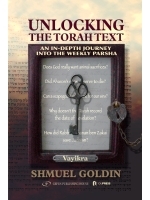
  1. Books Received: Unlocking the Torah Text, on Vayikra, by Rabbi Shmuel Goldin. It is a rather nice book, but I am holding my full review until I finish it. At the moment, I am midway through Acharei Mos. In the meantime, there is an excerpt over at Hirhurim.
  2. a
  3. Finally, kasher leFesach paper towels! It is funny, but also sad. And the dangerous part is that it represents feature creep in Judaism. Just as nowadays there are plenty of things with hechsherim that did not need them in the past, twenty years from now there will be plenty of things which now purportedly need hechsherim. Even though mei'ikkur hadin they do not, from a sociological perspective, who wants to be the less frum person and risk people not eating at his house?
    a
  4. Peter Parker is fired for photoshopping his photos.
    a
  5. Daf Notes has a post on Superstition, and Gazing at Women.
    a
  6. Rafi G. of Life In Israels goes up to Har Habayit.

LinkWithin

Blog Widget by LinkWithin