Showing posts with label shoftim. Show all posts

Friday, August 28, 2015

Onkelos and the peshat of לֹא-יוּמְתוּ אָבוֹת עַל-בָּנִים

In a recent shiur on masechet Sanhedrin (either Introduction to Masechet Sanhedrin or Sanhedrin #1 - Beit Din and Dinei Mamonot), Rav Schachter pointed out an oddity in Onkelos on parashat Ki Teitzei:

כד,טז לֹא-יוּמְתוּ אָבוֹת עַל-בָּנִים, וּבָנִים לֹא-יוּמְתוּ עַל-אָבוֹת:  אִישׁ בְּחֶטְאוֹ, יוּמָתוּ.  {ס}לָא יְמוּתוּן אֲבָהָן עַל פֹּם בְּנִין, וּבְנִין לָא יְמוּתוּן עַל פֹּם אֲבָהָן:  אֲנָשׁ בְּחוֹבֵיהּ, יְמוּתוּן.  {ס}

Onkelos' general style and purpose is to give the peshat translation of the pasuk. Yet here, in translating לֹא-יוּמְתוּ אָבוֹת עַל-בָּנִים, he renders the phrase as לָא יְמוּתוּן אֲבָהָן עַל פֹּם בְּנִין.

The peshat would be that one does not punish the fathers for the sins of the sons. The derashat Chazal is that the testimony of the sons cannot be used against the father (in a capital case). And עַל פֹּם means "on the mouth of", which is "on the word of".

So, Rav Schachter remarks, it is very strange that Onkelos here deviates and translates based on the derasha instead of the peshat.

It is a good question. However, I think the answer is that, indeed, Rav Schachter is right, that Onkelos regularly gives the peshat translation. If so, we should consider whether עַל פֹּם can convey the peshat meaning.

Looking to Jastrow, we see that sometimes, פם together with a preposition can mean "because of". On page 1142:


In the phrase עַל פֹּם, the word עַל is there because it is there in the pasuk, in the Biblical Hebrew. But maybe one might think עַל means "at the same time as," just as not taking the mother bird עַל the baby birds from a kan tzipor. And so, it is a little clearer to render the ambiguous עַל as עַל פֹּם. Father are not killed because of [the sins of] the sons, and sons are not killed because of [the sins of] their father.

Indeed, if עַל פֹּם meant "the testimony of" in Aramaic, then we would expect that phrase to appear in Onkelos when the pasuk itself uses עַל-פִּי to mean "the testimony of". Compare what happens in Ki Tzeitzei with the pasuk and Targum Onkelos in parashat Shofetim:

יז,ו עַל-פִּי שְׁנַיִם עֵדִים, אוֹ שְׁלֹשָׁה עֵדִים--יוּמַת הַמֵּת:  לֹא יוּמַת, עַל-פִּי עֵד אֶחָד.עַל מֵימַר תְּרֵין סָהֲדִין, אוֹ תְּלָתָא סָהֲדִין--יִתְקְטִיל דְּחַיָּב קְטוֹל:  לָא יִתְקְטִיל, עַל מֵימַר סָהִיד חַד.

Rather than writing עַל פֹּם, Onkelos writes there עַל מֵימַר. We might have even thought in parashat Shofetim that this עַל-פִּי to mean "because of" rather than "upon the mouth of", but Onkelos there emphasizes that פי is to be taken literally as "mouth", and thus the "statement".

And so, I would suggest the since Onkelos does not say עַל מֵימַר in Ki Teitzei, and because this would accord with the peshat meaning of the pasuk, he means עַל פֹּם as "because".

Friday, May 08, 2015

Ibn Ezra on Lower Biblical Criticism, part iv

See part one, part two, and part three.

The context for the next suggested swap is as follows, in Shofetim 14:

יב  וַיֹּאמֶר לָהֶם שִׁמְשׁוֹן, אָחוּדָה-נָּא לָכֶם חִידָה:  אִם-הַגֵּד תַּגִּידוּ אוֹתָהּ לִי שִׁבְעַת יְמֵי הַמִּשְׁתֶּה, וּמְצָאתֶם--וְנָתַתִּי לָכֶם שְׁלֹשִׁים סְדִינִים, וּשְׁלֹשִׁים חֲלִפֹת בְּגָדִים.12 And Samson said unto them: 'Let me now put forth a riddle unto you; if ye can declare it me within the seven days of the feast, and find it out, then I will give you thirty linen garments and thirty changes of raiment;
יג  וְאִם-לֹא תוּכְלוּ, לְהַגִּיד לִי--וּנְתַתֶּם אַתֶּם לִי שְׁלֹשִׁים סְדִינִים, וּשְׁלֹשִׁים חֲלִיפוֹת בְּגָדִים; וַיֹּאמְרוּ לוֹ--חוּדָה חִידָתְךָ, וְנִשְׁמָעֶנָּה.13 but if ye cannot declare it me, then shall ye give me thirty linen garments and thirty changes of raiment.' And they said unto him: 'Put forth thy riddle, that we may hear it.'
יד  וַיֹּאמֶר לָהֶם, מֵהָאֹכֵל יָצָא מַאֲכָל, וּמֵעַז, יָצָא מָתוֹק; וְלֹא יָכְלוּ לְהַגִּיד הַחִידָה, שְׁלֹשֶׁת יָמִים.14 And he said unto them: Out of the eater came forth food, and out of the strong came forth sweetness. And they could not in three days declare the riddle.
טו  וַיְהִי בַּיּוֹם הַשְּׁבִיעִי, וַיֹּאמְרוּ לְאֵשֶׁת-שִׁמְשׁוֹן פַּתִּי אֶת-אִישֵׁךְ וְיַגֶּד-לָנוּ אֶת-הַחִידָה--פֶּן-נִשְׂרֹף אוֹתָךְ וְאֶת-בֵּית אָבִיךְ, בָּאֵשׁ; הַלְיָרְשֵׁנוּ, קְרָאתֶם לָנוּ הֲלֹא.15 And it came to pass on the seventh day, that they said unto Samson's wife: 'Entice thy husband, that he may declare unto us the riddle, lest we burn thee and thy father's house with fire; have ye called us hither to impoverish us?'
טז  וַתֵּבְךְּ אֵשֶׁת שִׁמְשׁוֹן עָלָיו, וַתֹּאמֶר רַק-שְׂנֵאתַנִי וְלֹא אֲהַבְתָּנִי--הַחִידָה חַדְתָּ לִבְנֵי עַמִּי, וְלִי לֹא הִגַּדְתָּה; וַיֹּאמֶר לָהּ, הִנֵּה לְאָבִי וּלְאִמִּי לֹא הִגַּדְתִּי--וְלָךְ אַגִּיד.16 And Samson's wife wept before him, and said: 'Thou dost but hate me, and lovest me not; thou hast put forth a riddle unto the children of my people, and wilt thou not tell it me?' And he said unto her: 'Behold, I have not told it my father nor my mother, and shall I tell thee?'
יז  וַתֵּבְךְּ עָלָיו שִׁבְעַת הַיָּמִים, אֲשֶׁר-הָיָה לָהֶם הַמִּשְׁתֶּה; וַיְהִי בַּיּוֹם הַשְּׁבִיעִי, וַיַּגֶּד-לָהּ כִּי הֱצִיקַתְהוּ, וַתַּגֵּד הַחִידָה, לִבְנֵי עַמָּהּ.17 And she wept before him the seven days, while their feast lasted; and it came to pass on the seventh day, that he told her, because she pressed him sore; and she told the riddle to the children of her people.
יח  וַיֹּאמְרוּ לוֹ אַנְשֵׁי הָעִיר בַּיּוֹם הַשְּׁבִיעִי, בְּטֶרֶם יָבֹא הַחַרְסָה, מַה-מָּתוֹק מִדְּבַשׁ, וּמֶה עַז מֵאֲרִי; וַיֹּאמֶר לָהֶם--לוּלֵא חֲרַשְׁתֶּם בְּעֶגְלָתִי, לֹא מְצָאתֶם חִידָתִי.18 And the men of the city said unto him on the seventh day before the sun went down: What is sweeter than honey? and what is stronger than a lion? And he said unto them: If ye had not plowed with my heifer, ye had not found out my riddle.

That is, in pasuk 12, Shimshon gives them a deadline of the seven days of the feast to solve the riddle. In pasuk 14, in three days they could not arrive at the answer. In pasuk 15, on the seventh day they spoke to Shimshon's wife. In pasuk 17, she wept before him the seven days, while their feast lasted, and finally elicits the answer from Shimson. In pasuk 18, they answer the riddle before the sun goes down on the seventh.

The difficulties are why they only approach her on the seventh day rather than the fourth. Further, how she is able to cry before Shimshon for all seven days when they only approach her after seven (or at least after the first three days).

The anonymous grammarian suggests that in pasuk 15, it should read fourth rather than seventh. This would be a simple switch of a resh for a shin. Ibn Ezra's words follow:


"[Shofetim 14:15]
וַיְהִי בַּיּוֹם הַשְּׁבִיעִי, וַיֹּאמְרוּ לְאֵשֶׁת-שִׁמְשׁוֹן - it is appropriate to be, according to the opinion of the mahavil [speaking of vanity and striving after wind] to be הָרְבִיעִי, since he found above [in pasuk 14] וְלֹא יָכְלוּ לְהַגִּיד הַחִידָה, שְׁלֹשֶׁת יָמִים [for three days, such that this would be the fourth].
And he is not saying anything, and here is its explanation: They engaged and strove for three days to solve the riddle and were not able, and when they say this, they gave up on it. And once it was the seventh day, they said to Shimshon's wife, 'entice your husband', and because she pressed him sore on the seventh day because of the things they said, so that he would relate it to her, for so it written.
[Meanwhile], the meaning of 'and she wept to him for seven days', Scriptures is relating that she, by her own initiative, was crying all seven days in order that he relate to her the [answer to the] riddle, even though no one has asked her to do this."


Wednesday, August 27, 2014

The three sevirin וְלֹא

A) At the start of parshas Shofetim, we read (Devarim 16:19):

יט  לֹא-תַטֶּה מִשְׁפָּט, לֹא תַכִּיר פָּנִים; וְלֹא-תִקַּח שֹׁחַד--כִּי הַשֹּׁחַד יְעַוֵּר עֵינֵי חֲכָמִים, וִיסַלֵּף דִּבְרֵי צַדִּיקִם.19 Thou shalt not wrest judgment; thou shalt not respect persons; neither shalt thou take a gift; for a gift doth blind the eyes of the wise, and pervert the words of the righteous.

Note that there are three instructions:

  • לֹא-תַטֶּה מִשְׁפָּט
  • לֹא תַכִּיר פָּנִים
  • וְלֹא-תִקַּח שֹׁחַד

It is more common, in such a list, for the second item to be introduced by a vav hachibbur, a connecting vav. But it is not an error for it to be missing.

Upon this pasuk, Minchas Shai explains just that:


"לֹא תַכִּיר פָּנִים -- there are three [such instances of לא] which are sevirin [has the meaning of such that we would expect it to be] ולא, as I wrote in parshas Mishpatim, perek 23 [pasuk 13], regarding לֹ֥א יִשָּׁמַ֖ע עַל־פִּֽיךָ."
B) Looking to parshas Mishpatim, we see the following pasuk [Shemos 23:13]:
יג  וּבְכֹל אֲשֶׁר-אָמַרְתִּי אֲלֵיכֶם, תִּשָּׁמֵרוּ; וְשֵׁם אֱלֹהִים אֲחֵרִים לֹא תַזְכִּירוּ, לֹא יִשָּׁמַע עַל-פִּיךָ.13 And in all things that I have said unto you take ye heed; and make no mention of the name of other gods, neither let it be heard out of thy mouth.

There, Minchas Shai says the following:

"לֹא יִשָּׁמַע עַל-פִּיךָ -- in the commentary of Ibn Ezra it is written: and this is לֹא יִשָּׁמַע עַל-פִּיךָ etc.. [Note: this is likely a typographical error in Minchas Shai, and he meant to cite Ibn Ezra as saying ולא.] And the Aruch, entry מטר [Note: couldn't find this] that until recent generations to now, they would mess up and read ולא ישמע על פיך, and the soferim taught not to read with a vav, end quote. Furthermore, in the masoret, three one would expect ולא and they are לא, and the mnemonic of לא תשימון עליו נשך, and לא ישמע על פיך, and לא תכיר פנים."

Because there seems to be a typographical error in Minchas Shai in a critical place, I will show the first printing as well.


Interestingly, in the linked Ibn Ezra at Daat, it has a vav:
[כג, יג]
ובכל אשר -
עתה הזכיר עבודת כוכבים, והטעם כל מה שאמרתי הם מצותי ומשפטי. ולא כן. משפטי אלוהים אחרים. 
ואמר: לא תזכירו - שלא תזכירו שמותם להישבע בהם גם שלא ישביעו בהם עובדיה. וזה ולא ישמע על פיך שתשביע בו אחרים. שלא תאמר לעובד כוכבים השבע לי באלהיך.

As well, in the printing in Mechokekei Yehuda
, he has Ibn Ezra's lengthy commentary which cites it as ולא, while in Ibn Ezra's short commentary,  he cites it as simply לא.

At first, I was unsure of Minchas Shai's purpose in citing Ibn Ezra here. (At this point, I assumed that he was citing him saying לא.) To establish the correct girsa of Ibn Ezra's commentary? To bring it as further evidence, from a Rishon, that this is the correct text? Perhaps the key is the word וזה, by which he shows how this phrase of לֹא יִשָּׁמַע עַל-פִּיךָ is a restatement of the immediately preceding idea, of וְשֵׁם אֱלֹהִים אֲחֵרִים לֹא תַזְכִּירוּ. In this manner, we can understand why the connecting vav is not due here.

But in fact, I think there was a typographical error at a critical juncture here -- that Minchas Shai wished to cite a bad girsa in Ibn Ezra, but it was somehow encoded in accordance with the correct girsa.

Christian David Ginsberg also records this as לא with סביר of ולא. But he makes another interesting observation:


He writes: savir ולא, and in some other sefarim [ס"א is defined at the start of his work as "MSS. collated by C. D. G."] it is ולא as a krei and ketiv.

This seems to me like an encoding, in the MSS., of the practice Minchas Shai deemed erroneous.

 Naturally, the Samaritan Pentateuch (as it appears in Vetus Testamentum) adds the vav, in order to make the text smoother:


And in the bottom of that page, in lists many Hebrew Biblical texts that similarly have ולא.

C) The third instance is actually a bit earlier in Mishpatim, namely Shemos 22:24:

כד  אִם-כֶּסֶף תַּלְוֶה אֶת-עַמִּי, אֶת-הֶעָנִי עִמָּךְ--לֹא-תִהְיֶה לוֹ, כְּנֹשֶׁה; לֹא-תְשִׂימוּן עָלָיו, נֶשֶׁךְ.24 If thou lend money to any of My people, even to the poor with thee, thou shalt not be to him as a creditor; neither shall ye lay upon him interest.

Upon which, Minchas Shai says:

Tuesday, August 26, 2014

The deficient צַדִּיקִם

(Cross-posted to Girsology.)

There is a girsological error in parshat Shofetim in my Mikraos Gedolos, in the second pasuk of the parsha. The pasuk (Devarim 16:19) reads:


While this reads צַדִּיקִים, it should read צַדִּיקִם, without the second yud. The reason I say this is the following comment from Minchas Shai:
"צַדִּיקִם -- In He'etek Hilleli and in all the precise sefarim it is missing the second yud. And so too in the Masores: In the entire Torah, it [the word צַדִּיקִם] is deficient in the second yud, except for one case, which is plene and plene [in that both yuds are present], namely וִיסַלֵּף דִּבְרֵי צַדִּיקִים of parshat Mishpatim, [Shemos 23:8
You shall not accept a bribe, for a bribe will blind the clear sighted and corrupt words that are right.ח. וְשֹׁחַד לֹא תִקָּח כִּי הַשֹּׁחַד יְעַוֵּר פִּקְחִים וִיסַלֵּף דִּבְרֵי צַדִּיקִים:
]
as I wrote in parshas vaEschanan."
It is understandable how the yud was introduced here as a typographical error, rather than relying on a Masorah from one of the not-so-precise sefarim. The more common spelling of all masculine plurals in Biblical Hebrew is with the yud in the ים suffix. While there are plenty of words which are chaser [deficient] yud or vav, it is not so common in the morphological endings. Also, the very phrase in question, וִיסַלֵּף דִּבְרֵי צַדִּיקִים, appears elsewhere malei [plene].

Since we have access to Codex Hilleli (pg 475), we can see this very spelling of צַדִּיקִם, and this very Masoretic note, as a Masoreh Ketanah:

As far as I can tell, the full text of the masoretic note does not appear as stated by Minchas Shai, at least here. I think it reads:
כל אורייתא חסר בר מן א' מלא 
"The entire Torah has it [the second yud] deficient, except for one which is plene." 
So too the Lisbon Codex (pg 368):


And an identical Masoretic note.

The Leningrad Codex has identical deficient spelling:


Namely, on pg 223:


So too the Teimanim. To cite Mechon-Mamreh:

טז,יט לֹֽא־תַטֶּ֣ה מִשְׁפָּ֔ט לֹ֥א תַכִּ֖יר פָּנִ֑ים וְלֹֽא־תִקַּ֣ח שֹׁ֔חַד כִּ֣י הַשֹּׁ֗חַד יְעַוֵּר֙ עֵינֵ֣י חֲכָמִ֔ים וִֽיסַלֵּ֖ף דִּבְרֵ֥י צַדִּיקִֽם׃לָא תַּצְלֵי דִּין, לָא תִּשְׁתְּמוֹדַע אַפִּין; וְלָא תְּקַבֵּיל שֻׁחְדָּא--אֲרֵי שֻׁחְדָּא מְעַוַּר עֵינֵי חַכִּימִין, וּמְקַלְקֵיל פִּתְגָמִין תְּרִיצִין.

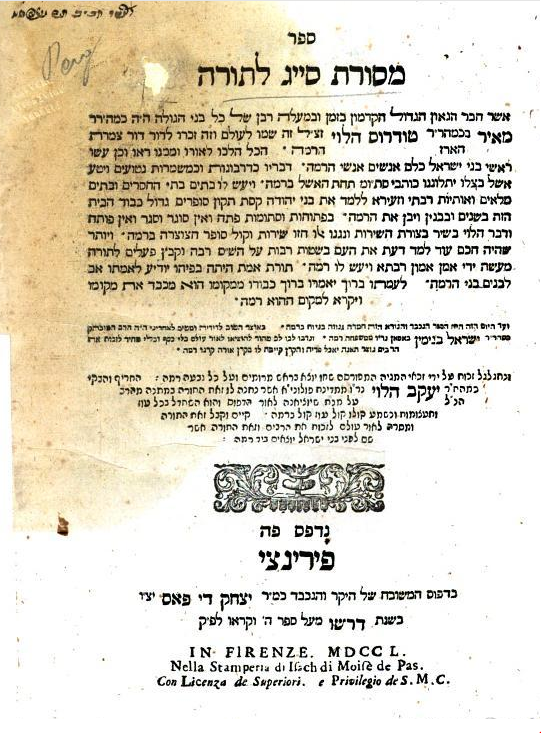
Rabbi Meir Abulafia (1170-1244), the Rama, wrote about this phenomenon in the sefer Masores Seyag Lachochma:

"צַדִּיקִם -- the first yud is plene and the last yud is written deficient. And all צַדִּיקִם and הַצַּדִּיקִם in the Torah are like it, except for one which is plene and plene, with two yuds, and this is וִיסַלֵּף דִּבְרֵי צַדִּיקִים."
The marginal note mentions that this is in "Mishpatim there", meaning Shemos 23:8. (But I wonder if these marginal note, referring to the specific parsha, were from the Rama or from the one who brought the manuscript to print, Rabbi Yaakov HaLevi of Polonia:


The note itself, which only highlights the phrase וִיסַלֵּף דִּבְרֵי צַדִּיקִים, is ambiguous, in that perhaps it refers to the phrase in Mishpatim, perhaps in Shofetim, or perhaps in both. But assuming it is from the Rama himself, then it is unambiguous.)

Looking at Vetus Testamentum (pg 217) to see what the Samaritans have, we should not be surprised that they have both yuds. This is characteristic of the Samaritan text, to eliminate any awkward and unregularized spelling. The Samaritan text is on the left:


On the bottom of the page is a listing of variant manuscripts. Interestingly enough, there appear some Samaritan manuscripts in which the first yud is missing, as צדקים! For the Hebrew (meaning Jewish, rather than Samaritan), there is only one such צדקים, and a large number of instances of צדיקים:


Wednesday, August 07, 2013

YUTorah on parashat Shofetim

parsha banner


Audio Shiurim on Shoftim
Articles on Shoftim
Haftorah Shiurim on Shoftim
New This Week

Tuesday, August 06, 2013

Shoftim: Why the hands of the witnesses first?

An interesting idea I saw in Rabbenu Ephraim, on the pasuk in Shofetim (Devarim 17:7):
ז  יַד הָעֵדִים תִּהְיֶה-בּוֹ בָרִאשֹׁנָה, לַהֲמִיתוֹ, וְיַד כָּל-הָעָם, בָּאַחֲרֹנָה; וּבִעַרְתָּ הָרָע, מִקִּרְבֶּךָ.  {פ}7 The hand of the witnesses shall be first upon him to put him to death, and afterward the hand of all the people. So thou shalt put away the evil from the midst of thee. 
Rabbenu Ephraim writes:
יד העדים תהיה בו בראשונה להמיתו;
 מאי טעמא? שאם העידו עדות שקר יחול עליהם
 עונש שפיכת רמים — דם נקי, ויד כל העם
 באחרונה: דגברא קטילא קטלו
"The hand of the witnesses shall be first upon him to put him to death. What is the reason? That if they testified falsely, the punishment will fall upon them for the shedding of blood -- innocent blood.
and afterward the hand of all the people -- for [then] they are killing an already killed person."
I would say that this still is society carrying out, and enabling, his execution. So if they executed a person incorrectly, the fault still lies with society.

But it is an interesting idea, in which false witnesses are the ones who carry it out, and cannot imagine that they are simply standing back, or merely indirectly causing his death. And that can also stand as a deterrent against false witnesses.

Perhaps we can read it as part of the separation of evil from one's midst. Where does one's fealty lie? Elsewhere, in Reeh (Devarim 13), we see the tempter towards idolatry, the following idea -- note in particular the idea that יָדְךָ תִּהְיֶה-בּוֹ בָרִאשׁוֹנָה לַהֲמִיתוֹ; וְיַד כָּל-הָעָם, בָּאַחֲרֹנָה:
ז  כִּי יְסִיתְךָ אָחִיךָ בֶן-אִמֶּךָ אוֹ-בִנְךָ אוֹ-בִתְּךָ אוֹ אֵשֶׁת חֵיקֶךָ, אוֹ רֵעֲךָ אֲשֶׁר כְּנַפְשְׁךָ--בַּסֵּתֶר לֵאמֹר:  נֵלְכָה, וְנַעַבְדָה אֱלֹהִים אֲחֵרִים, אֲשֶׁר לֹא יָדַעְתָּ, אַתָּה וַאֲבֹתֶיךָ.7 If thy brother, the son of thy mother, or thy son, or thy daughter, or the wife of thy bosom, or thy friend, that is as thine own soul, entice thee secretly, saying: 'Let us go and serve other gods,' which thou hast not known, thou, nor thy fathers;
ח  מֵאֱלֹהֵי הָעַמִּים, אֲשֶׁר סְבִיבֹתֵיכֶם, הַקְּרֹבִים אֵלֶיךָ, אוֹ הָרְחֹקִים מִמֶּךָּ--מִקְצֵה הָאָרֶץ, וְעַד-קְצֵה הָאָרֶץ.8 of the gods of the peoples that are round about you, nigh unto thee, or far off from thee, from the one end of the earth even unto the other end of the earth;
ט  לֹא-תֹאבֶה לוֹ, וְלֹא תִשְׁמַע אֵלָיו; וְלֹא-תָחוֹס עֵינְךָ עָלָיו, וְלֹא-תַחְמֹל וְלֹא-תְכַסֶּה עָלָיו.9 thou shalt not consent unto him, nor hearken unto him; neither shall thine eye pity him, neither shalt thou spare, neither shalt thou conceal him;
י  כִּי הָרֹג תַּהַרְגֶנּוּ, יָדְךָ תִּהְיֶה-בּוֹ בָרִאשׁוֹנָה לַהֲמִיתוֹ; וְיַד כָּל-הָעָם, בָּאַחֲרֹנָה.10 but thou shalt surely kill him; thy hand shall be first upon him to put him to death, and afterwards the hand of all the people.

So maybe this is supposed to be the individual, and societal, reaction to idolatry. The idea is to engage in וּבִעַרְתָּ הָרָע מִקִּרְבֶּךָ, and thus reject this negative influence. And so those who witnessed it directly take action to uproot it, and the rest of society follows their lead.

Sunday, August 04, 2013

posts so far for parshat Shofetim


2012

1. Shofetim sources, 2012 edition.

2. YUTorah on parashat Shofetim.

3. Running commentary on parashat Shofetim, part i.

2011

  1. Shofetim sources -- links to an online Mikraos Gedolos by perek and aliyah, as well as a slew of meforshim on the parsha and haftara. Now, further expanded. For instance, many more meforshei Rashi.
    .
  2. How is the failed negative prophecy exclusion encoded in Shofetim? part i -- Rav Chaim Kanievsky addresses it, with a remez based on beShem Hashem. And I analyze some of the pesukim in parashat Shofetim and sefer Yirmeyah myself.
    .
  3. And part ii -- The same issue as before. How shall we resolve the exclusion of negative prophecy from a prophet test, with the absence of such an exclusion in the plain meaning of the pasuk? This bothers Rabbi Yosef Ibn Caspi, as a pashtan, and so he puts forth a different elaborate theory from that of the Rambam. Namely, there is no distinction between a positive or negative prophecy. Rather, the distinction is whether there is an explicit condition attached or not. And then, in a separate post, some concluding thoughts.
    .
  4. YUTorah on parashat Shoftim.
    .
  5. Was Ibn Ezra killed by demons? So goes the story, showing how Ibn Ezra got his comeuppance, after claiming that demons did not exist. Though whether he actually claimed this is uncertain. I don't really believe the story, though.
    .
  6. The trail of worms -- Is the pasuk about abolishing the shedding of blood really relevant by the eglah arufah, where we don't know the identity of the murderer? Yes. It depends on what you think it means. But even if you believe it refers to catching the murderer, there is a good reading according to Rashi and according to Rav Chaim Kanievsky.
    .
  7. Ibn Janach on כִּי הָאָדָם עֵץ הַשָּׂדֶה לָבֹא מִפָּנֶיךָ בַּמָּצוֹר --  What I think may be a unique way of reading it.

2010
  1. More on Ibn Ezra and sheidim -- Considering an Ibn Ezra that might, once again, indicate disbelief in sheidim.
    .
  2. "Or any of the host of the heavens, which I have not commanded": What is bothering Rashi? What did Hashem not command? Rav Moshe Feinstein on how to interpret a Rashi (or a pasuk according to Rashi). And how Rashi might interpret that Rashi.
2009
  1. A fun story of bribery in Sefarad -- from the Meiri, and how it ties in to tzedek tzedek tirdof.
    .
  2. Are all matzeivot forbidden, or just idolatrous ones? The dispute between Rashi and Ibn Ezra works out to one in dikduk, and how to understand asher.
    .
  3. Why send back the betrothed man, if all is preordained? How different meforshim look at this issue of fate and fatality, and how Divine Providence works on the battlefield.
    .
  4. What is the point of the Eglah Arufah? According to Rambam, to prompt an investigation. Ramban's objection to this, Abarbanel's defense, and finally, Shadal's take on all this.
2008
In The Role of the Shoter and the Shofet, I explain Shadal's position that the shoteir is not an enforcement officer of bet din, with a rod to strike people.

In "How does לִשְׁבָטֶיךָ bind?" Shadal states that he (and Rashi) deviate from trup, and thus that it means a shofet and shoter from the tribe.

In Capital Punishment Based On Two Or Three Witnesses, and the False vs. Failed Witness, I address what three witnesses adds over two, and what the pasuk is trying to tell us here. Furthermore, how this interacts with the single eid zomem, rather than eidim zomemim.

If you want to learn through the parsha in Mikraot Gedolot, I broke apart an online one for Shoftim by perek and by aliyah in Shofetim Sources.


2004
In Double Jeopardy, I discuss how the Sifrei derives from צֶדֶק צֶדֶק, תִּרְדֹּף--לְמַעַן תִּחְיֶה that a court should retry a case after a guilty verdict if subsequently evidence is found that clears the accused, but should not retry a case once the person has been found innocent if subsequently evidence is found that would convict him. I propose two derashot: either צֶדֶק means innocent - zakkai, and so multiple times we should run after finding his innocent; or צֶדֶק means justice, but we should run after it multiple times only לְמַעַן תִּחְיֶה, if we will save the accused life.

2003
In "Was The Lubavitcher Rebbe a Navi Sheker?", I explain why if the Rebbe was actually stating as prophecy that he was mashiach or that mashiach would come in his generation, as some in Chabad claim, then he would be a navi sheker. I don't think that the Rebbe was a navi sheker.
On the other hand, here is evidence that the Rebbe did consider himself a navi.

Related, from 2004: The Rambam on how one establishes a navi sheker, in Hebrew and in my translation.

Yiftach Bedoro keShmuel Bedoro -- A joke I heard in Rav Schachter's shiur.

Turning to the Right / Left - I analyze this famous derasha in the Sifrei, and then examine Rashi, Siftei Chachamim, and Ramban, to see how they understand it. Then, in A Conflicting View of יָמִין וּשְׂמֹאל, I consider the aternate version of this statement which is cited in Yerushalmi Horayot, which states that one should only follow them if they say that right is right and left is left, but not vice versa. I should really go back now and analyze all these sources again. I think I would have a very different take now.

to be continued...

Friday, August 24, 2012

posts so far for parshat Shofetim


2012

1. Shofetim sources, 2012 edition.

2. YUTorah on parashat Shofetim.

3. Running commentary on parashat Shofetim, part i.

2011

  1. Shofetim sources -- links to an online Mikraos Gedolos by perek and aliyah, as well as a slew of meforshim on the parsha and haftara. Now, further expanded. For instance, many more meforshei Rashi.
    .
  2. How is the failed negative prophecy exclusion encoded in Shofetim? part i -- Rav Chaim Kanievsky addresses it, with a remez based on beShem Hashem. And I analyze some of the pesukim in parashat Shofetim and sefer Yirmeyah myself.
    .
  3. And part ii -- The same issue as before. How shall we resolve the exclusion of negative prophecy from a prophet test, with the absence of such an exclusion in the plain meaning of the pasuk? This bothers Rabbi Yosef Ibn Caspi, as a pashtan, and so he puts forth a different elaborate theory from that of the Rambam. Namely, there is no distinction between a positive or negative prophecy. Rather, the distinction is whether there is an explicit condition attached or not. And then, in a separate post, some concluding thoughts.
    .
  4. YUTorah on parashat Shoftim.
    .
  5. Was Ibn Ezra killed by demons? So goes the story, showing how Ibn Ezra got his comeuppance, after claiming that demons did not exist. Though whether he actually claimed this is uncertain. I don't really believe the story, though.
    .
  6. The trail of worms -- Is the pasuk about abolishing the shedding of blood really relevant by the eglah arufah, where we don't know the identity of the murderer? Yes. It depends on what you think it means. But even if you believe it refers to catching the murderer, there is a good reading according to Rashi and according to Rav Chaim Kanievsky.
    .
  7. Ibn Janach on כִּי הָאָדָם עֵץ הַשָּׂדֶה לָבֹא מִפָּנֶיךָ בַּמָּצוֹר --  What I think may be a unique way of reading it.

2010
  1. More on Ibn Ezra and sheidim -- Considering an Ibn Ezra that might, once again, indicate disbelief in sheidim.
    .
  2. "Or any of the host of the heavens, which I have not commanded": What is bothering Rashi? What did Hashem not command? Rav Moshe Feinstein on how to interpret a Rashi (or a pasuk according to Rashi). And how Rashi might interpret that Rashi.
2009
  1. A fun story of bribery in Sefarad -- from the Meiri, and how it ties in to tzedek tzedek tirdof.
    .
  2. Are all matzeivot forbidden, or just idolatrous ones? The dispute between Rashi and Ibn Ezra works out to one in dikduk, and how to understand asher.
    .
  3. Why send back the betrothed man, if all is preordained? How different meforshim look at this issue of fate and fatality, and how Divine Providence works on the battlefield.
    .
  4. What is the point of the Eglah Arufah? According to Rambam, to prompt an investigation. Ramban's objection to this, Abarbanel's defense, and finally, Shadal's take on all this.
2008
In The Role of the Shoter and the Shofet, I explain Shadal's position that the shoteir is not an enforcement officer of bet din, with a rod to strike people.

In "How does לִשְׁבָטֶיךָ bind?" Shadal states that he (and Rashi) deviate from trup, and thus that it means a shofet and shoter from the tribe.

In Capital Punishment Based On Two Or Three Witnesses, and the False vs. Failed Witness, I address what three witnesses adds over two, and what the pasuk is trying to tell us here. Furthermore, how this interacts with the single eid zomem, rather than eidim zomemim.

If you want to learn through the parsha in Mikraot Gedolot, I broke apart an online one for Shoftim by perek and by aliyah in Shofetim Sources.


2004
In Double Jeopardy, I discuss how the Sifrei derives from צֶדֶק צֶדֶק, תִּרְדֹּף--לְמַעַן תִּחְיֶה that a court should retry a case after a guilty verdict if subsequently evidence is found that clears the accused, but should not retry a case once the person has been found innocent if subsequently evidence is found that would convict him. I propose two derashot: either צֶדֶק means innocent - zakkai, and so multiple times we should run after finding his innocent; or צֶדֶק means justice, but we should run after it multiple times only לְמַעַן תִּחְיֶה, if we will save the accused life.

2003
In "Was The Lubavitcher Rebbe a Navi Sheker?", I explain why if the Rebbe was actually stating as prophecy that he was mashiach or that mashiach would come in his generation, as some in Chabad claim, then he would be a navi sheker. I don't think that the Rebbe was a navi sheker.
On the other hand, here is evidence that the Rebbe did consider himself a navi.

Related, from 2004: The Rambam on how one establishes a navi sheker, in Hebrew and in my translation.

Yiftach Bedoro keShmuel Bedoro -- A joke I heard in Rav Schachter's shiur.

Turning to the Right / Left - I analyze this famous derasha in the Sifrei, and then examine Rashi, Siftei Chachamim, and Ramban, to see how they understand it. Then, in A Conflicting View of יָמִין וּשְׂמֹאל, I consider the aternate version of this statement which is cited in Yerushalmi Horayot, which states that one should only follow them if they say that right is right and left is left, but not vice versa. I should really go back now and analyze all these sources again. I think I would have a very different take now.

to be continued...

Thursday, August 23, 2012

YUTorah on parashat Shofetim


Audio Shiurim on Shoftim
Rabbi Avi Billet: Finding A Middle Road
Rabbi Chaim Brovender: Egla Arufa 
Rabbi Ally Ehrman: Law Enforcement 
Rabbi Chaim Eisenstein: The Mitzvah of Appointing Judges 
Rabbi Aaron Feigenbaum: Asking Questions and the Strength of Kabalah 
Rabbi Daniel Z. Feldman: Rabbinic Authority 
Rabbi Joel Finkelstein: Accepting the Yoke of Heaven 
Rabbi Yehuda Goldschmidt: Battling the Yetzer Hara 
Rabbi Shalom Hammer: Embodying Holiness
Rabbi Eliakim Koenigsberg: Humility in the Process of Teshuva 
Rabbi Akiva Koenigsberg: The prohibition of returning to Egypt
Rabbi Aryeh Lebowitz: Soldiers in God's Army 
Rabbi Yoni Levin: The Role of Shevet Levi
Rabbi Yaakov Neuburger: Lo Tasur 
Mrs. Nechama Price: The Jewish King
Rabbi Hershel Reichman: Connecting the Heart and Mind 
Rabbi Yonason Sacks: Rabbinic Authority: Parameters and Limitations 
R' Dr. Jacob J Schacter: Religion in Thought and in Manifestation 
Rabbi Avi Schneider: Picking up the Pieces 
Rabbi Baruch Simon: Ha'Adam Etz Ha'Sadeh 
Rabbi Reuven Spolter: Temimut - A Critical Key for Teshuvah 
Rabbi Moshe Taragin: Writing a Torah and Achieving piety 
Rabbi Michael Taubes: Standing for Testimony and Kiddush 
Rabbi Yaacov Thaler: Bribery
Rabbi Andi Yudin: Responsibility; The Measure of Man 

Articles on Shoftim
Rabbi Yisrael Balsim: Authority Lishma
Rabbi Ozer Glickman: Rationality, Not Rationale
Rabbi Avraham Gordimer: The Role of the Navi
Rabbi Dovid Gottlieb: A Time NOT For Fear
Rabbi Maury Grebenau: The Benefits & Limitations of Reason
Rabbi David Horwitz: The Imperatives of Truth and Law
Rabbi Avigdor Nebenzahl: Crowning Hashem King Over Us

Rabbi Jeremy Wieder: Laining for Parshat Shoftim
See all shiurim on YUTorah for Parshat Shoftim
New This Week

LinkWithin

Blog Widget by LinkWithin